Dead outlets, breakers that keep tripping, lights that flicker, aluminum wiring, and that one switch nobody in the house can account for. I find the cause instead of chasing the symptom.
Most electrical repairs in Uxbridge start with a homeowner who has already tried the obvious thing. The breaker got reset, the bulb got changed, the outlet got a new cover plate, and the problem came back. That is normally the point where someone calls me, and it is fine, that is the right time.
What I do first is find out what is actually happening, because a dead outlet and a tripping breaker and a light that dims when the furnace kicks in can all be the same loose connection behind one device. Guessing at that costs you a series of small invoices and leaves the fault in the wall. Ten years of doing this in the same township means I have usually seen your particular house's era of wiring before.
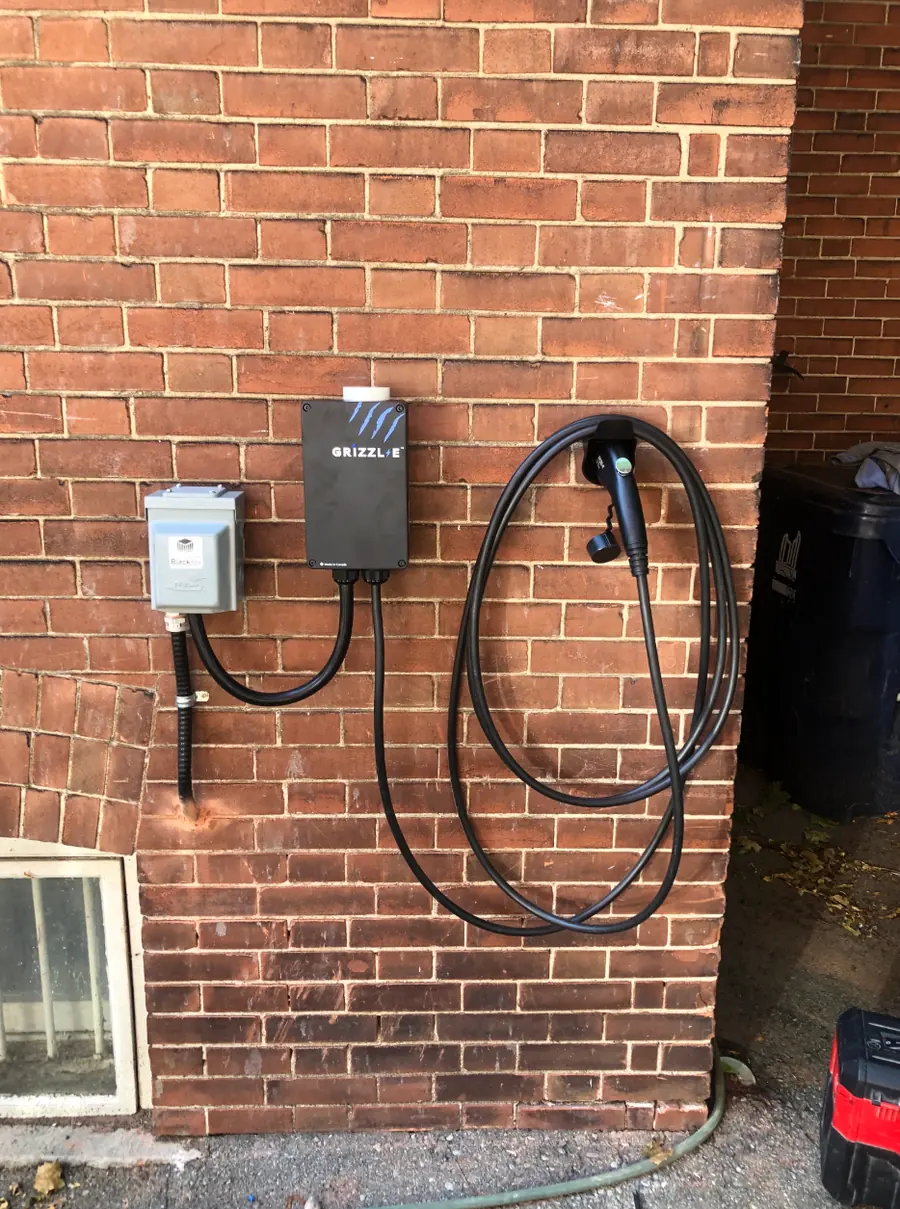
There is a difference between replacing the part that failed and finding out why it failed. A scorched outlet is evidence, not a diagnosis. So the order is: reproduce the symptom, isolate the circuit, test under load rather than at rest, then open the devices in the path until the cause shows itself. Most faults are a connection, not a cable, and connections fail where somebody worked last.
Where the fault is a symptom of the panel rather than of one circuit, I will say so rather than sell you six repairs on a board that needs changing. That conversation is on the panel upgrade page.
Like-for-like replacement of a device does not need an ESA notification. New circuits, rewiring, a change to the service, and most of what gets done during an aluminum or knob and tube remediation do. I file it under my own ECRA/ESA licence and you get the Certificate of Acceptance at the end, which matters more than people expect when the house changes hands.
Two things drive a lot of the repair calls I take. The first is a home inspection report during a sale. The second is an insurer asking about aluminum or knob and tube at renewal. In both cases what is actually wanted is documented, code-compliant remediation by a licensed contractor, not a patch. I write up what was done and hand over the ESA paperwork, because a repair nobody can evidence is a repair you may end up paying for twice.
Small faults are usually an hour or two plus parts. Aluminum pigtailing is priced by the number of devices, because that is genuinely what the work is. A partial rewire depends entirely on access, and a house with a full basement and an unfinished attic is a very different job from a bungalow with a finished ceiling underneath everything. I look first, then give you a number, and if the diagnosis changes what I find, you hear about it before I carry on.
Repair calls are the ones where getting there quickly actually matters, so these are the areas I can usually reach the same day.
My home base, so anything urgent in the township I can normally be at within the hour. The older houses off Toronto Street and Brock Street are where most of the knob and tube and early aluminum work sits.
Small hamlets on long rural feeds, where a flickering light is as likely to be a loose service connection outside as a fault inside. Worth ruling out before anybody starts opening walls.
A lot of 1970s subdivision housing, which is squarely the aluminum wiring era. Most of my pigtailing work in Durham comes from these streets and from home inspections during a sale.
Anywhere else in Durham Region, York Region or the Kawartha Lakes, ring me and I’ll tell you straight whether you are in range. Most of my week sits within about forty minutes of Uxbridge.
Most of my jobs end up being two things at once. These are the ones that usually come up alongside this work.
Tell me what it is doing and when it started. Half the time I can narrow it down over the phone before I even load the van.
Licensed & insured · ECRA/ESA #7018329 · Durham Region, York Region & Kawartha Lakes