A proper look at your panel, grounding, bonding and circuits, with a plain-English written list of what is fine, what is urgent, and what can wait. Worth doing before you buy, sell or insure.
An electrical safety inspection in Uxbridge is usually triggered by one of three things: you are buying a house, you are selling one, or your insurer has asked a question you cannot answer. Occasionally it is the best reason of all, which is that something about the house has started to bother you and you would rather know.
What you get from me is not a tick sheet. It is an electrician opening the panel, testing rather than eyeballing, and writing down what is actually there, ranked by how much it matters. Some of it will be urgent. Most of it usually is not, and being told that clearly is worth as much as the list itself.
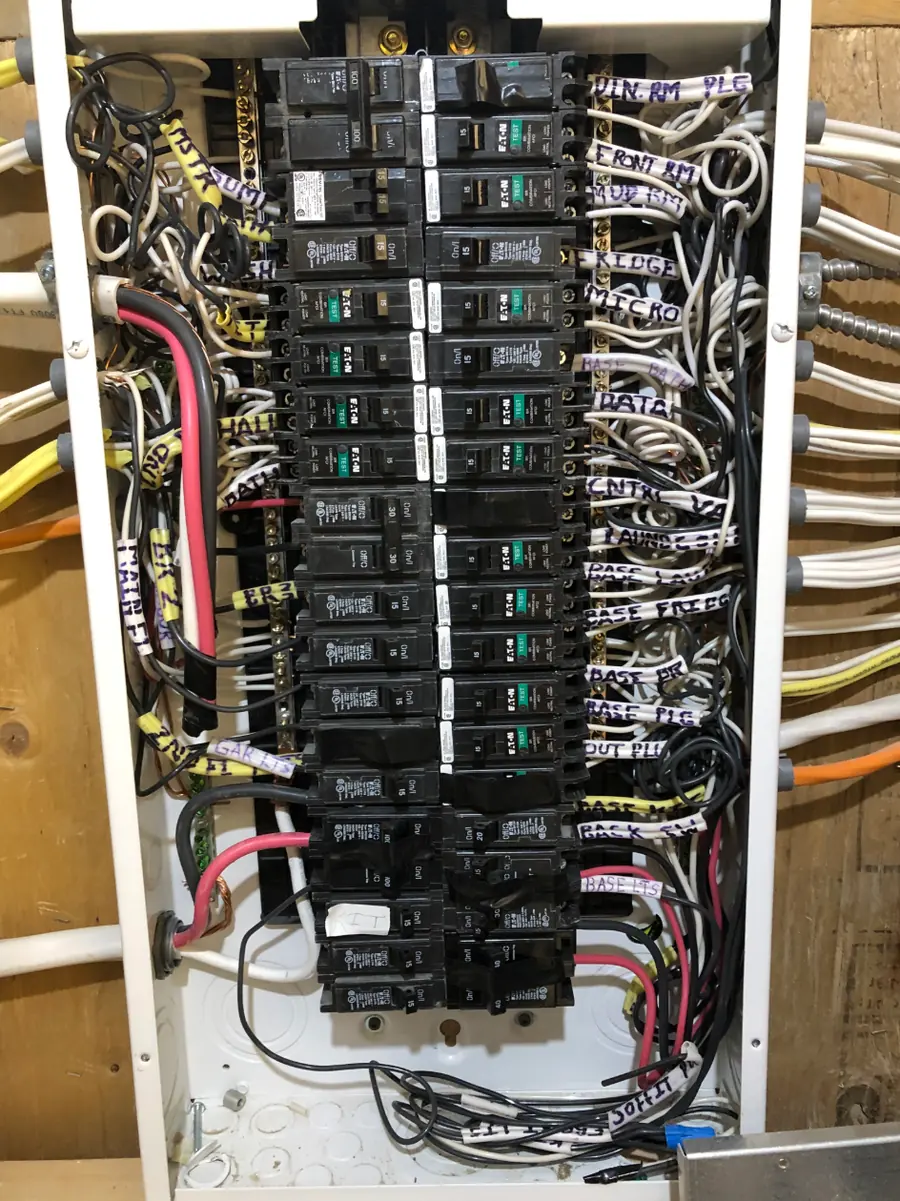
You get a written report with photographs, sorted into three groups:
It is written to be read by you, your insurance broker and a lawyer, not only by another electrician. There is no obligation to have me do any of the remediation, and I would rather hand you an honest report than a sales document. If you do want the work done, you already have someone who knows the house.
Worth being precise, because the words get used interchangeably and they are not the same thing. An ESA inspection is the Electrical Safety Authority checking specific work that was notified to them, and it results in a Certificate of Acceptance for that work. What I am describing here is a contractor's safety inspection of your existing installation, which produces a report rather than a certificate.
The ESA does also offer its own General Inspection of a whole property, and where a lender, an insurer or a buyer has specifically asked for that, I will tell you so rather than sell you mine instead. Most of the time what is actually wanted is exactly this: a licensed contractor's documented opinion.
A home inspector is a generalist and is explicitly not opening your panel. So an electrical item on a home inspection report is normally phrased as a recommendation to have an electrician look at it, and that is where I come in. Before you buy, it tells you what you are taking on while there is still a price to negotiate. Before you sell, it means the buyer's list has already been answered.
The related question that catches people is unpermitted work. Previous owners' renovations that were never notified to the ESA show up in the record as an absence, and that absence gets found by a buyer's lawyer at the worst possible moment. Finding it early, and getting it made compliant and documented, is a much smaller problem than finding it two weeks before closing.
It is priced by the size of the house and how much of it is accessible, and you get the range before I come out. A bungalow with an open basement ceiling is quick. A century home with three additions and a detached shop takes most of a day and is worth every minute, because that is exactly the house where the surprises live.
Inspections take me across the whole service area, because they are usually tied to a sale rather than to where I happen to be.
Century homes around the village core and farmhouses on the concessions, which are the two places knob and tube, missing bonding and thirty years of undocumented additions turn up most. Ask me before you waive a condition, not after.
Older lakeside and small-town stock, plenty of it seasonal at some point in its life, which usually means at least one circuit added by somebody's brother-in-law. Easy to find, easy to fix, much better found before closing.
The far edge of where I go, and I take these as whole-house inspections rather than single calls. Kawartha Lakes properties on wells and septic have more outside the house to check than in it: pump houses, sheds, docks and long buried runs.
Anywhere else in Durham Region, York Region or the Kawartha Lakes, ring me and I’ll tell you straight whether you are in range. Most of my week sits within about forty minutes of Uxbridge.
Most of my jobs end up being two things at once. These are the ones that usually come up alongside this work.
Buying, selling, or just uneasy about the panel. Tell me the age of the house and I will tell you what an inspection is likely to turn up.
Licensed & insured · ECRA/ESA #7018329 · Durham Region, York Region & Kawartha Lakes